
Buying property in Mauritius as a foreigner
Updated on
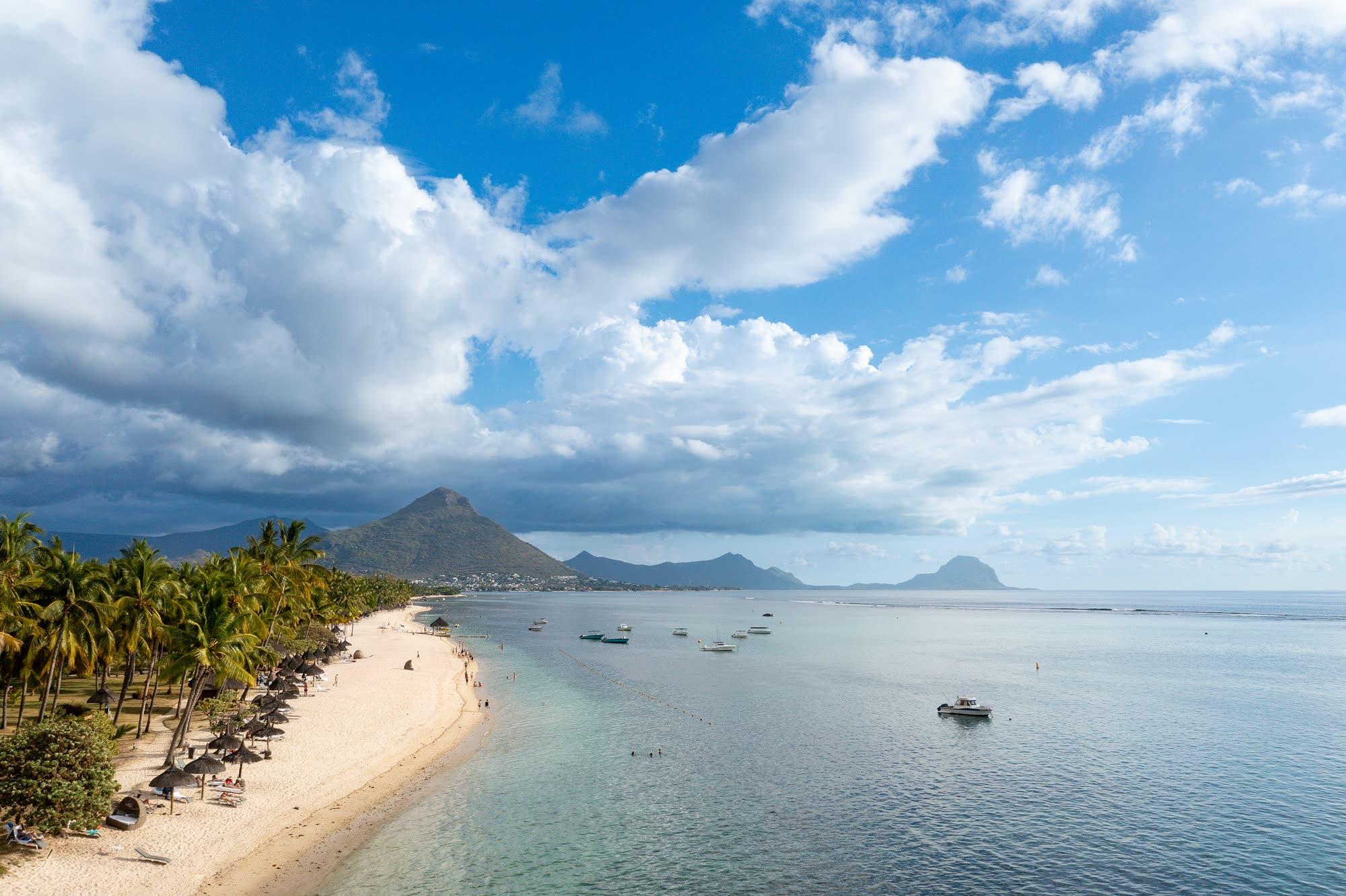
Yes, a foreigner can buy property in Mauritius and own it outright. Mauritian law sets the framework for this purchase: it takes place within schemes approved by the Economic Development Board (EDB), the public body in charge of investment. This guide explains which properties are open to you, at what price, and what the purchase changes for your right to stay.
Can a foreigner buy in Mauritius?
Yes, provided the purchase is made within a framework set out by law. In Mauritius, the purchase of property by a non-citizen is governed by the Non-Citizens (Property Restriction) Act. This law reserves the ordinary property market for Mauritian citizens and opens a list of specific schemes to foreigners.
Within these schemes, you buy freehold. The title is registered in your name, and you can live in the property, let it, resell it and pass it on.
Two points to keep in mind from the start:
- you do not need to live in Mauritius to buy;
- the choice of scheme decides your rights, especially for residence.
The purchase schemes open to foreigners
Four routes are open to a foreign buyer. The table sums up what sets them apart.
| Scheme | Type of property | What is available | Residence from USD 375,000 |
|---|---|---|---|
| PDS | Villas and apartments in a serviced residence | New, off-plan and resale | Yes |
| IRS and RES | Villas and apartments in existing developments | Resale only | Yes |
| Smart City | Homes in a mixed-use district (housing, offices, shops) | New and resale | Yes |
| G+2 | Apartment in a building of at least two floors | New and resale | Yes |
The PDS, the main scheme
The PDS (Property Development Scheme) is the scheme under which most residences open to foreigners are built today. It replaced the IRS and the RES for new projects.
A PDS development is a residence designed as a whole: homes, shared areas, services for residents. It offers villas, apartments and penthouses, sold off-plan or already completed.
IRS and RES, the original schemes
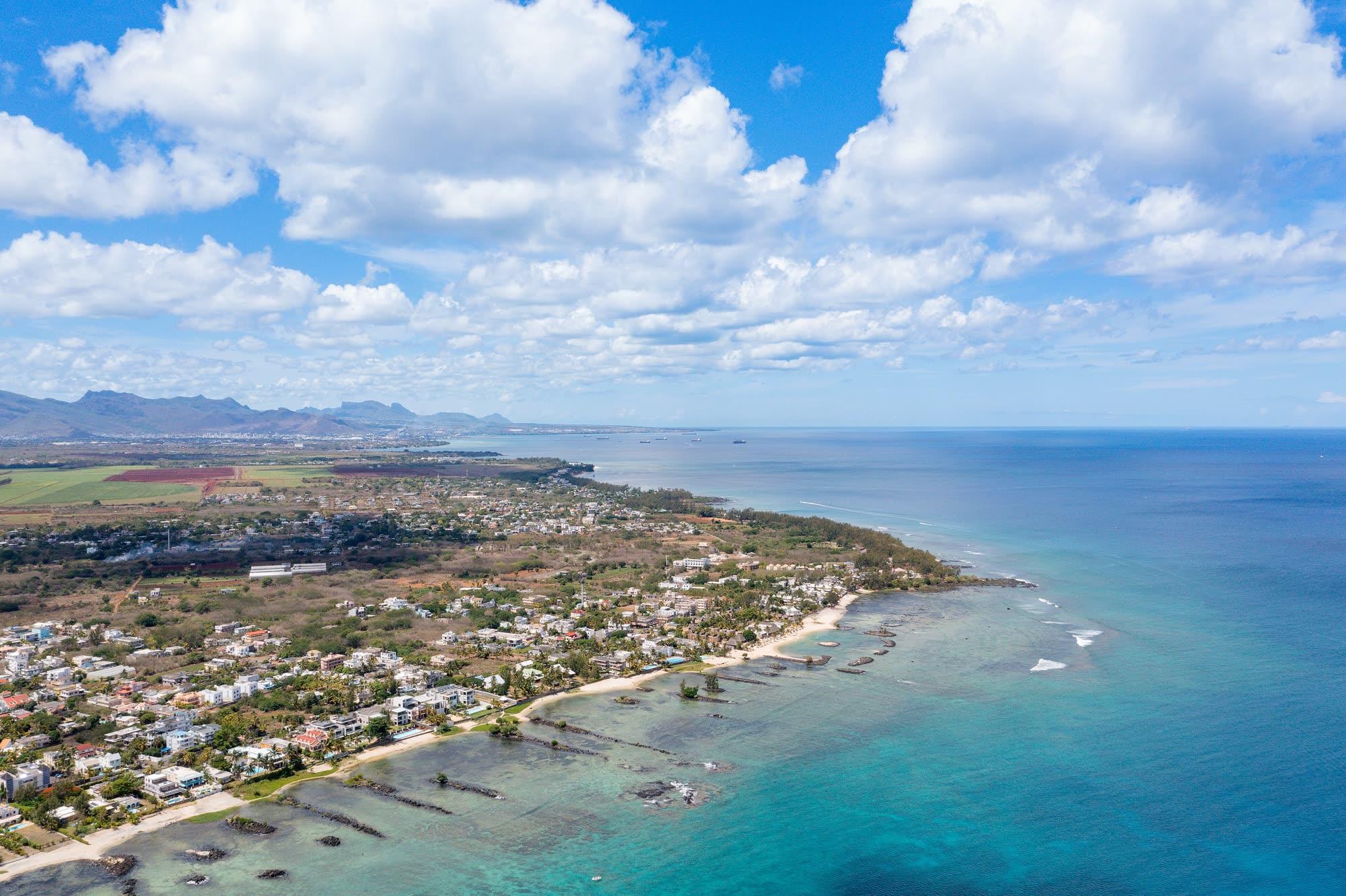
The IRS (Integrated Resort Scheme) and the RES (Real Estate Scheme) are the two schemes that opened Mauritius to foreign buyers. They are no longer granted for new projects, but existing properties are still resold to foreigners, with the same rights.
The IRS covers large estates, often built around a golf course or a marina. The RES covers smaller residences. On resale, these properties have one advantage: they exist, you can visit them, and their rental history is known.
The Smart City
A Smart City is a new district that brings together homes, offices, shops, schools and leisure facilities. A foreigner can buy a villa or an apartment there. This scheme suits those who want to live in Mauritius all year round, close to their work and to services, rather than on the tourist coast.
The G+2 apartment
A foreigner can also buy an apartment outside the schemes, if it is in a co-owned building of at least two floors above the ground floor. This is known as G+2, for Ground + 2.
The purchase price must be at least 6 million Mauritian rupees, about 114,000 euros at the November 2026 rate. It is the least expensive way into the market for a foreigner.
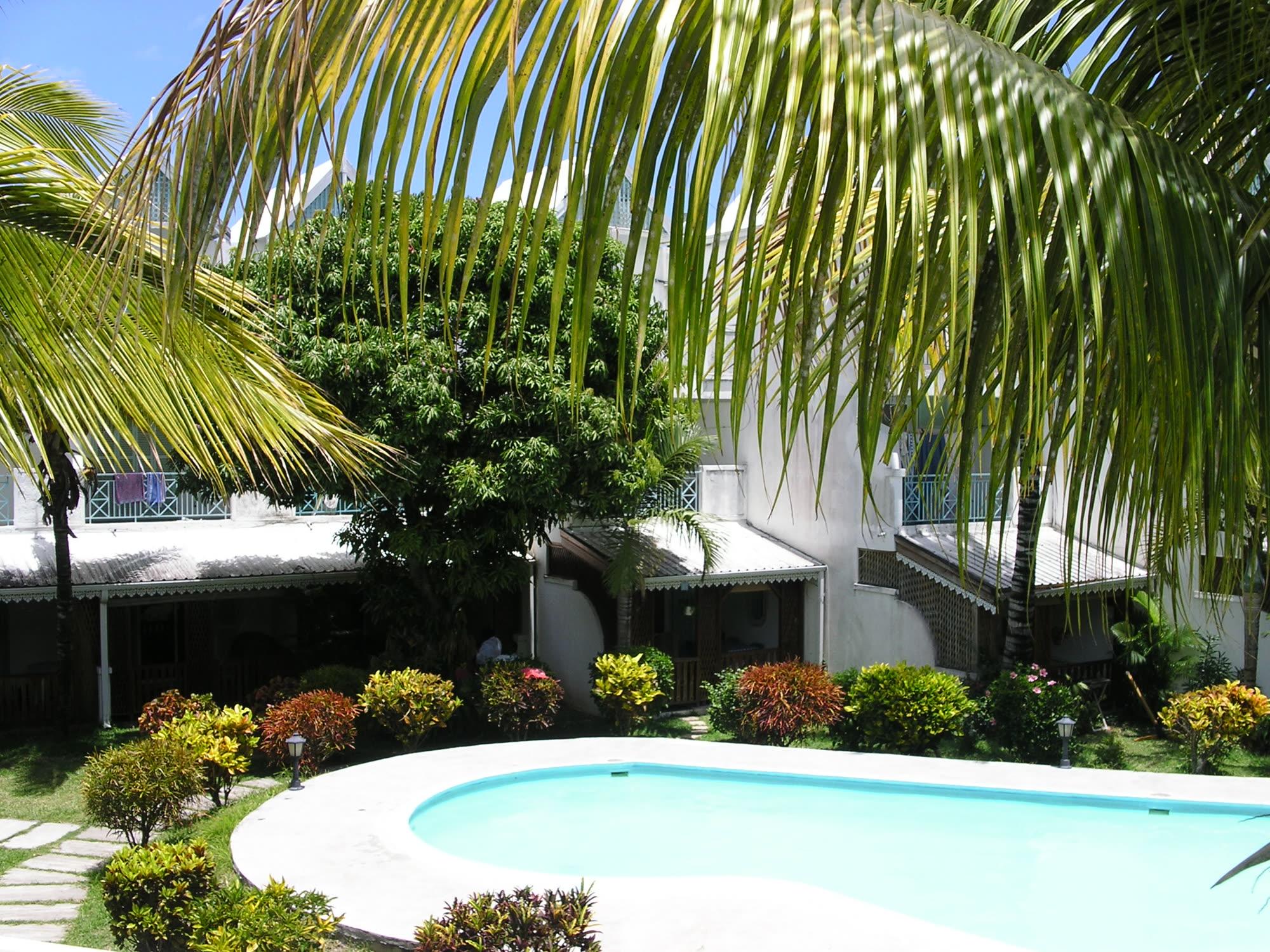
Take care not to confuse the two thresholds. At 6 million rupees, you become an owner. For the apartment to give you the right to residence as well, it must be worth at least USD 375,000.
Obtaining a residence permit through a purchase
A purchase of at least USD 375,000 (about 340,000 euros) in an eligible property gives you the right to a residence permit. This threshold is the same for the PDS, the IRS, the RES, the Smart City and the G+2.
What the permit provides:
- it covers the buyer, their spouse and their children under 24;
- it remains valid for as long as you own the property;
- it ends if you sell, unless you buy another eligible property.
A serviced plot bought in a scheme is not enough. The permit is only granted once the home has been built.
Below USD 375,000, you can buy and stay in Mauritius as a visitor, but the purchase does not give you a residence status.
Price and costs: what to plan for
The asking price is not the total budget. You need to add:
- registration duty, at 5% of the price;
- the fees of the notary, who drafts and registers the deed;
- depending on the scheme, application fees.
Once you are an owner, you pay the residence's service charges (maintenance, security, shared areas), which vary a great deal from one development to another. Ask for the amount before signing: it weighs directly on the yield.
The item-by-item detail is in our guide to purchase costs.
Letting your property and repatriating your income
A property bought in these schemes can be let, by the year or as a holiday rental. Rental income and the proceeds of a resale can be repatriated to your country without restriction.
Becoming an owner can also allow you to become a Mauritian tax resident, if you genuinely settle on the island. If you remain tax resident in another country, your Mauritian income may be taxed there: the tax treaty between the two countries applies. Our guide to taxation covers this point.
To estimate what a property earns, see the guide to rental yield.
The steps of a purchase
- Define the project. Yield, residence or long-term wealth: the goal decides the scheme and the area.
- Shortlist and visit. On site or by video.
- Reserve. You sign a reservation contract and pay a deposit, held by the notary.
- Obtain authorisation. The buyer's file is sent to the EDB.
- Sign the deed. At the notary's office, in person or by power of attorney. Registration duty is paid at that point.
- Apply for the residence permit, if the property reaches USD 375,000.
Each step is detailed in the steps of a purchase.
Four common mistakes
- Confusing the minimum price with the residence threshold. A G+2 apartment at 150,000 euros is a valid purchase, but it does not give a residence permit.
- Comparing prices without the service charges. Two villas at the same price can have annual charges that differ by a factor of three.
- Forgetting the tax rules of your own country. The net yield is calculated after the tax due where you are tax resident.
- Buying a plot to obtain residence. The permit only comes once the home has been built.
How Ora supports you
Ora Immobilier works for the buyer. We start from your goal, we compare properties across all the schemes, new and resale, and we negotiate for you. After the purchase, we find the tenant for a yearly rental, and our partner Sparkeys manages holiday letting.
You can start by looking at the properties for sale, or entrust us with your search through our property finder service.
Frequently asked questions
Sources
- Economic Development Board Mauritius, real estate and hospitality
- Residency in Mauritius (EDB), Real Estate Scheme
- Residency in Mauritius (EDB), Smart City Scheme
- Residency in Mauritius (EDB), Ground + 2 apartments
- EDB, guidelines for IRS, RES and PDS buyers
Rules change. This guide gives general information and does not replace the advice of a notary.